


All Driving Guides A-Z
- Albania Driving Guide
- Algeria Driving Guide
- Andorra Driving Guide
- Angola Driving Guide
- Antigua Driving Guide
- Argentina Driving Guide
- Armenia Driving Guide
- Aruba Driving Guide
- Australia Driving Guide
- Austria Driving Guide
- Bahamas Driving Guide
- Bahrain Driving Guide
- Bali Driving Guide
- Bangladesh Driving Guide
- Barbados Driving Guide
- Belarus Driving Guide
- Belgium Driving Guide
- Belize Driving Guide
- Benin Driving Guide
- Bhutan Driving Guide
- Bolivia Driving Guide
- Bosnia and Herzegovina Guide
- Botswana Driving Guide
- Brunei Driving Guide
- Bulgaria Driving Guide
- Burundi Driving Guide
- Cambodia Driving Guide
- Cameroon Driving Guide
- Cape Verde Island Driving Guide
- Cayman Islands Driving Guide
- Central African Republic Driving Guide
- Chad Driving Guide
- Chile Driving Guide
- Colombia Driving Guide
- Comoros Driving Guide
- Congo Driving Guide
- Costa Rica Driving Guide
- Croatia Driving Guide
- Cuba Driving Guide
- Cyprus Driving Guide
- Czech Republic Driving Guide
- Denmark Driving Guide
- Djibouti Driving Guide
- Dominica Driving Guide
- Dominican Republic Driving Guide
- Driving in Canada
- Driving in Egypt: A Local’s Guide for Tourists
- Driving in France
- Dubai Driving Guide
- Ecuador Driving Guide
- El Salvador Driving Guide
- Equatorial Guinea Driving Guide
- Eritrea Driving Guide
- Estonia Driving Guide
- Fiji Driving Guide
- Finland Driving Guide
- French Polynesia Driving Guide
- Gabon Driving Guide
- Gambia Driving Guide
- Georgia Driving Guide
- Germany Driving Guide
- Ghana Driving Guide
- Gibraltar Driving Guide
- Greece Driving Guide
- Grenada Driving Guide
- Guatemala Driving Guide
- Guinea Driving Guide
- Haiti Driving Guide
- Honduras Driving Guide
- Hong Kong Driving Guide
- Hungary Driving Guide
- Iceland Driving Guide
- India Driving Guide
- Indonesia Driving Guide
- Iran Driving Guide
- Ireland Driving Guide
- Israel Driving Guide
- Italy Driving Guide
- Jamaica Driving Guide
- Japan Driving Guide
- Jersey Driving Guide
- Jordan Driving Guide
- Kazakhstan Driving Guide
- Kenya Driving Guide
- Kiribati Driving Guide
- Kuwait Driving Guide
- Kyrgyzstan Driving Guide
- Laos Driving Guide
- Latvia Driving Guide
- Lebanon Driving Guide
- Lesotho Driving Guide
- Liberia Driving Guide
- Libya Driving Guide
- Liechtenstein Driving Guide
- Lithuania Driving Guide
- Luxembourg Driving Guide
- Macao Driving Guide
- Madagascar Driving Guide
- Malawi Driving Guide
- Malaysia Driving Guide
- Maldives Driving Guide
- Malta Driving Guide
- Marshall Islands Driving Guide
- Mauritania Driving Guide
- Mauritius Driving Guide
- Mexico Driving Guide
- Micronesia Driving Guide
- Moldova Driving Guide
- Monaco Driving Guide
- Mongolia Driving Guide
- Montenegro Driving Guide
- Morocco Driving Guide
- Mozambique Driving Guide
- Myanmar Driving Guide
- Namibia Driving Guide
- Nauru Driving Guide
- Nepal Driving Guide
- Netherlands Driving Guide
- New Caledonia Driving Guide
- New Guinea Driving Guide
- New Zealand Driving Guide
- Nicaragua Driving Guide
- Nigeria Driving Guide
- North Macedonia Driving Guide
- Norway Driving Guide
- Oman Driving Guide
- Palau Driving Guide
- Panama Driving Guide
- Papua New Guinea Driving Guide
- Paraguay Driving Guide
- Peru Driving Guide
- Philippines Driving Guide
- Poland Driving Guide
- Polynesia Driving Guide
- Portugal Driving Guide
- Qatar Driving Guide
- Renting a Car in Taiwan: Beginner's Guide for International Travelers
- Romania Driving Guide
- Russia Driving Guide
- Rwanda Driving Guide
- Saint Kitts and Nevis Driving Guide
- Saint Lucia Driving Guide
- Samoa Driving Guide
- San Marino Driving Guide
- Saudi Arabia Driving Guide
- Senegal Driving Guide
- Serbia Driving Guide
- Seychelles Driving Guide
- Sierra Leone Driving Guide
- Singapore Driving Guide
- Slovakia Driving Guide
- Slovenia Driving Guide
- Solomon Islands Driving Guide
- South Africa Driving Guide
- South Korea Driving Guide
- South Sudan Driving Guide
- Spain Driving Guide
- Sri Lanka Driving Guide
- Sudan Driving Guide
- Suriname Driving Guide
- Sweden Driving Guide
- Switzerland Driving Guide
- Taiwan Driving Guide
- Tajikistan Driving Guide
- Tanzania Driving Guide
- Thailand Driving Guide
- Togo Driving Guide
- Tonga Driving Guide
- Trinidad and Tobago Driving Guide
- Tunisia Driving Guide
- Turkey Driving Guide
- Turkmenistan Driving Guide
- Tuvalu Driving Guide
- Uganda Driving Guide
- Ukraine Driving Guide
- United Kingdom Driving Guide
- United States of America Driving Guide
- Uruguay Driving Guide
- Uzbekistan Driving Guide
- Vanuatu Driving Guide
- Vatican City Driving Guide
- Venezuela Driving Guide
- Vietnam Driving Guide
- Yemen Driving Guide
- Zambia Driving Guide
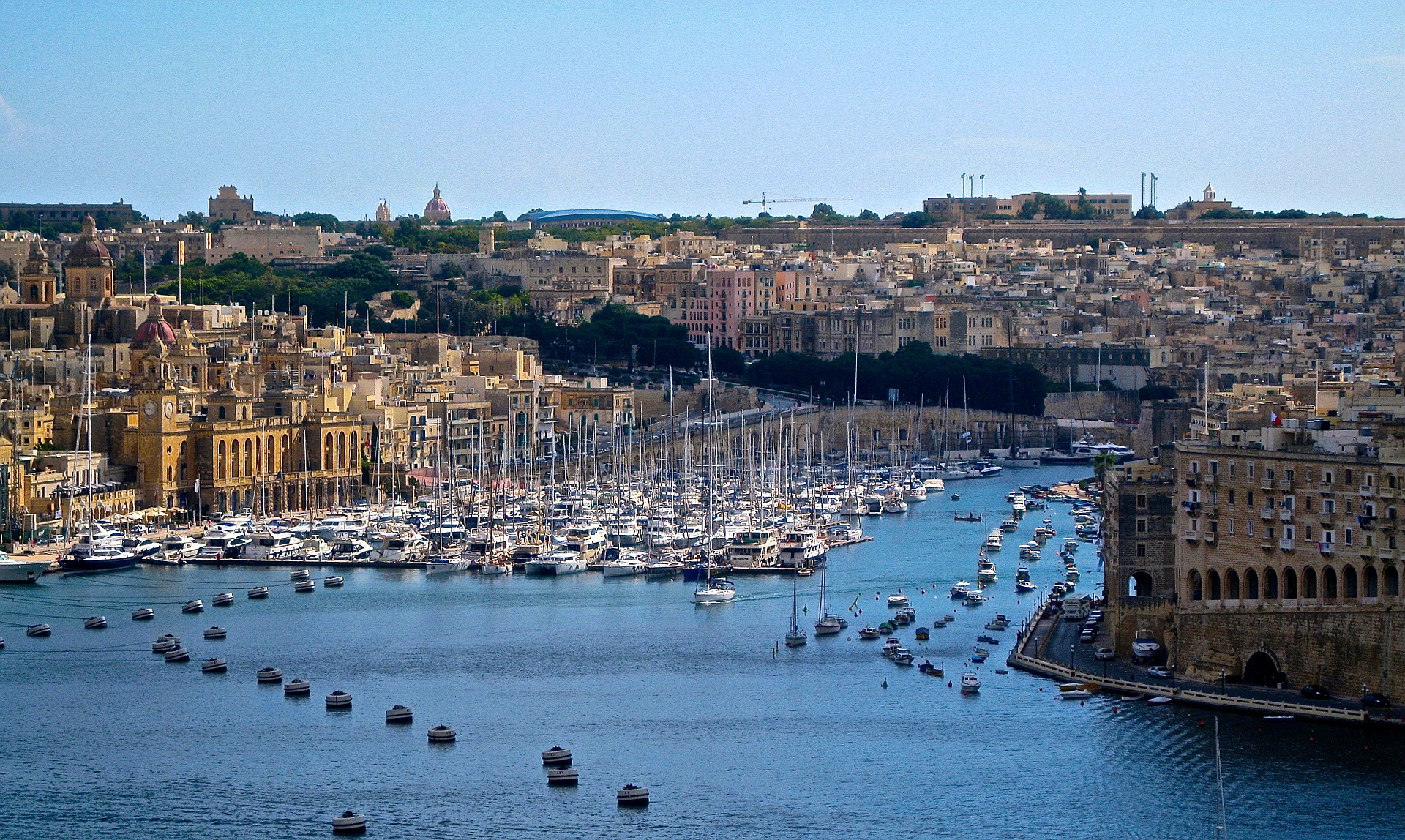
Malta Driving Guide
Do you find public transportation in Malta to be too crowded and unreliable? Or do you simply enjoy the freedom of driving on your own? Whatever the reason, if you are planning to drive, there are some important things you should know before traveling to Malta.
Discovering Malta's Unique Driving Culture
Driving in Malta offers many tourists a unique and preferred way to explore the island at their own pace. The ease of navigating Malta's roads makes it an attractive option, offering flexibility to visit remote areas and hidden gems often inaccessible by public transport.
Here's what to expect about Malta's driving culture:
- Driving Side: Like the UK, Maltese drive on the left-hand side of the road, which might take some getting used to for visitors from countries that drive on the right.
- Driver Behavior: Maltese drivers are known for being quite expressive and sometimes aggressive. It's a good idea to approach driving here with caution and patience.
- Road Conditions: Roads in urban areas are generally well-maintained, though rural tracks can be narrow and less cared for.
Understanding these local nuances can help ensure a safe and enjoyable driving experience throughout Malta.
Essential Tips for Driving in Malta
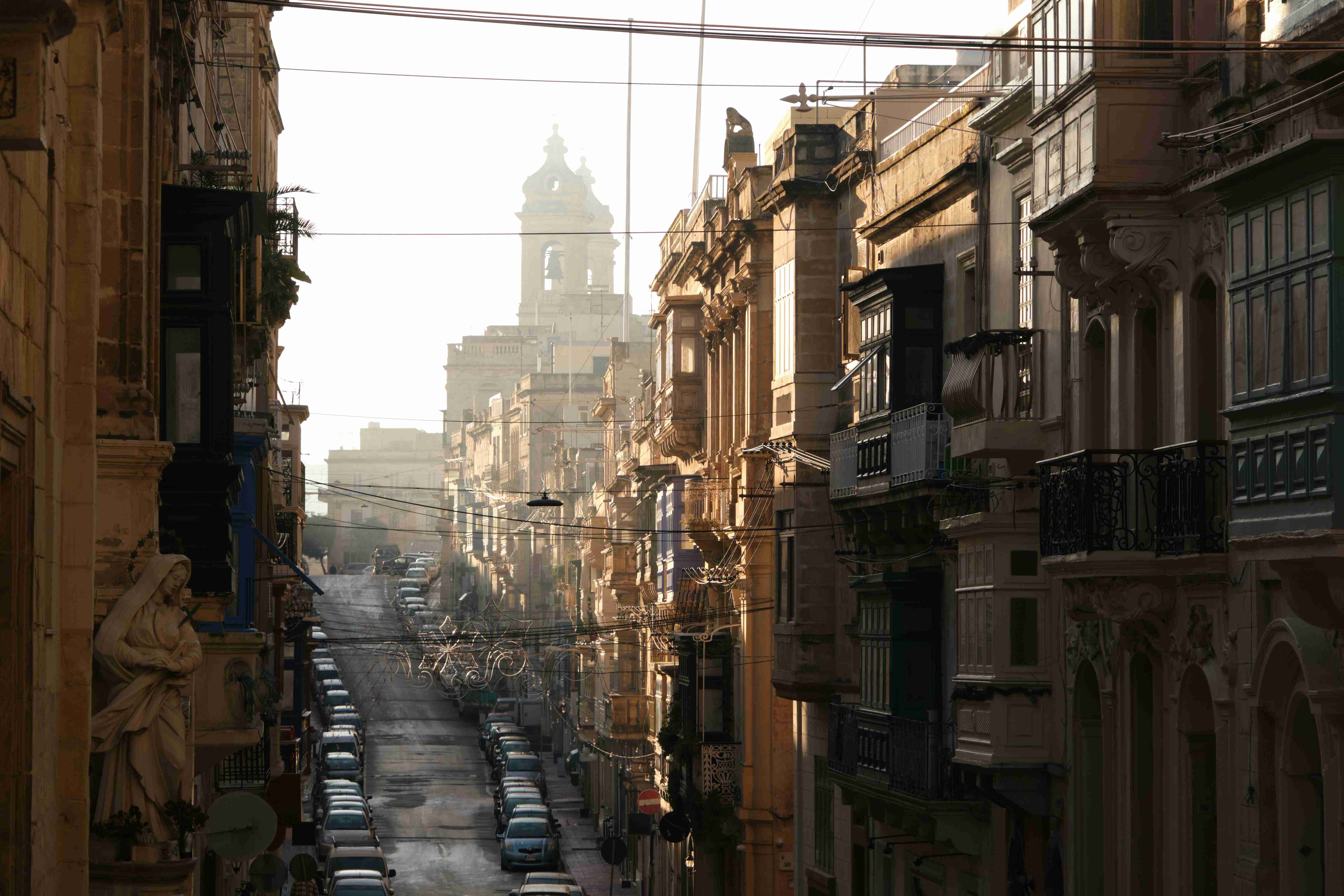
Navigating Malta's roads can be a delightful part of your travel adventure. To ensure a smooth experience, familiarize yourself with the local traffic laws and parking regulations, which will help you move around the island confidently and safely.
Understanding local traffic laws
- Speed Limits: Speed limits in Malta vary by area. In towns, the limit is usually 50 km/h, dropping to 30 km/h in residential zones. On open roads, it can increase to 80 km/h.
- Seat Belt & Car Seat Laws: Seat belts are mandatory for all passengers. Children under 36 kg or shorter than 150 cm must use appropriate child restraint systems.
- Drinking and Driving Laws: Malta has strict drink-driving laws, with a legal limit of 0.5 grams per liter, lower than many other European countries. Penalties for DUI are severe.
- Mobile Phone Usage while Driving: Using a handheld mobile phone while driving is illegal in Malta. Hands-free systems are allowed, but it's recommended to minimize distractions.
Parking regulations and tips
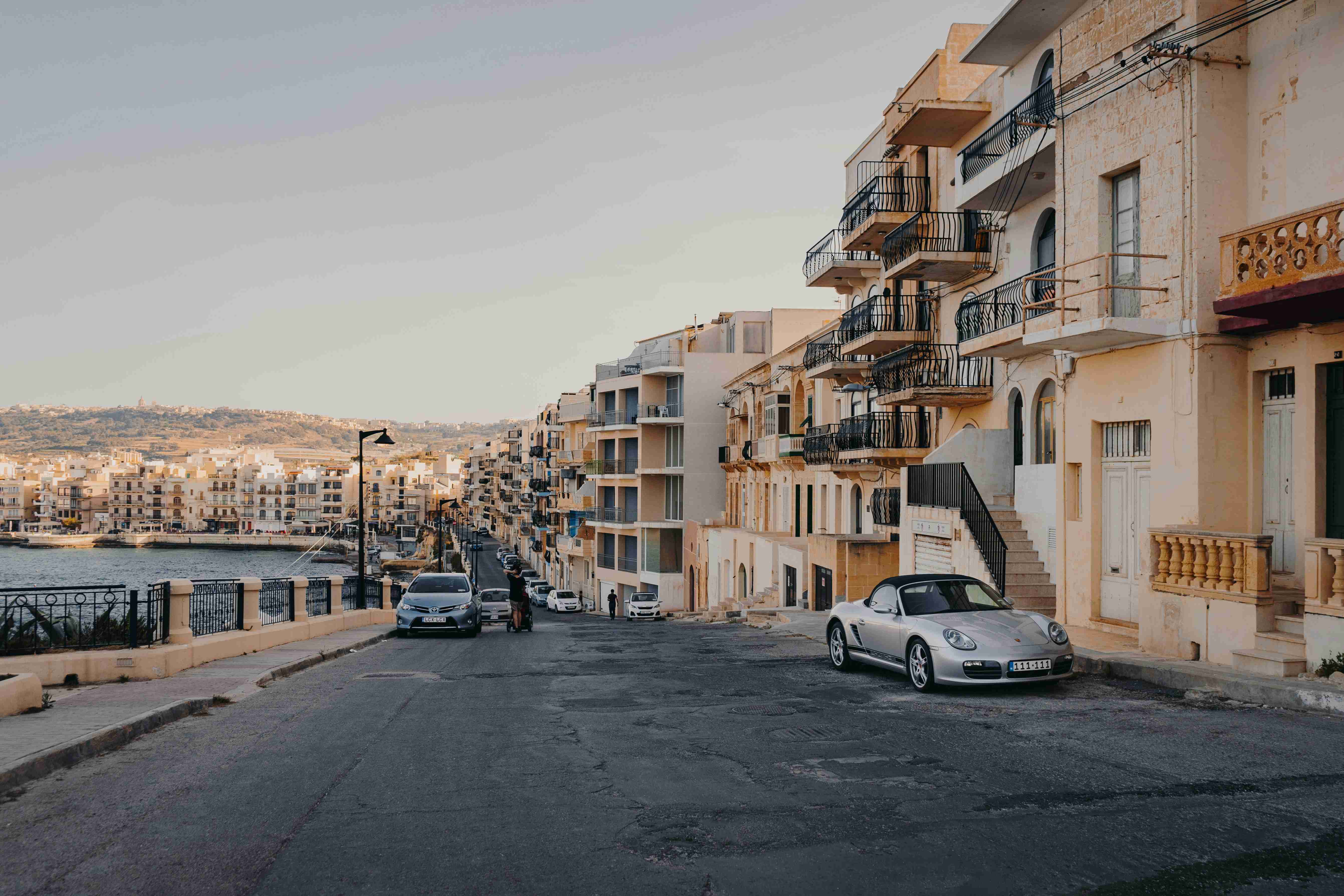
- Street Parking: In many towns, street parking is delineated by white (free parking), blue (paid parking), and green (resident parking) lines. Pay attention to signage to avoid fines.
- Parking Garages and Lots: Consider using parking garages and lots for longer stays or in busier areas like Valletta. These facilities offer security and avoid the hassle of finding street parking.
By adhering to these guidelines, you can enjoy a hassle-free driving experience across Malta's scenic landscapes.
Renting a Car in Malta: What You Need to Know
Although renting a car in Malta is relatively straightforward, it's important to be well informed before making any decisions.
Here are some essential tips for renting a car in Malta:
Choosing the right vehicle for Maltese roads
Maltese roads can be intimidating, especially for those coming from countries with wider roads. It's best to rent a small car, as it is more suited to navigating narrow streets and tight turns.
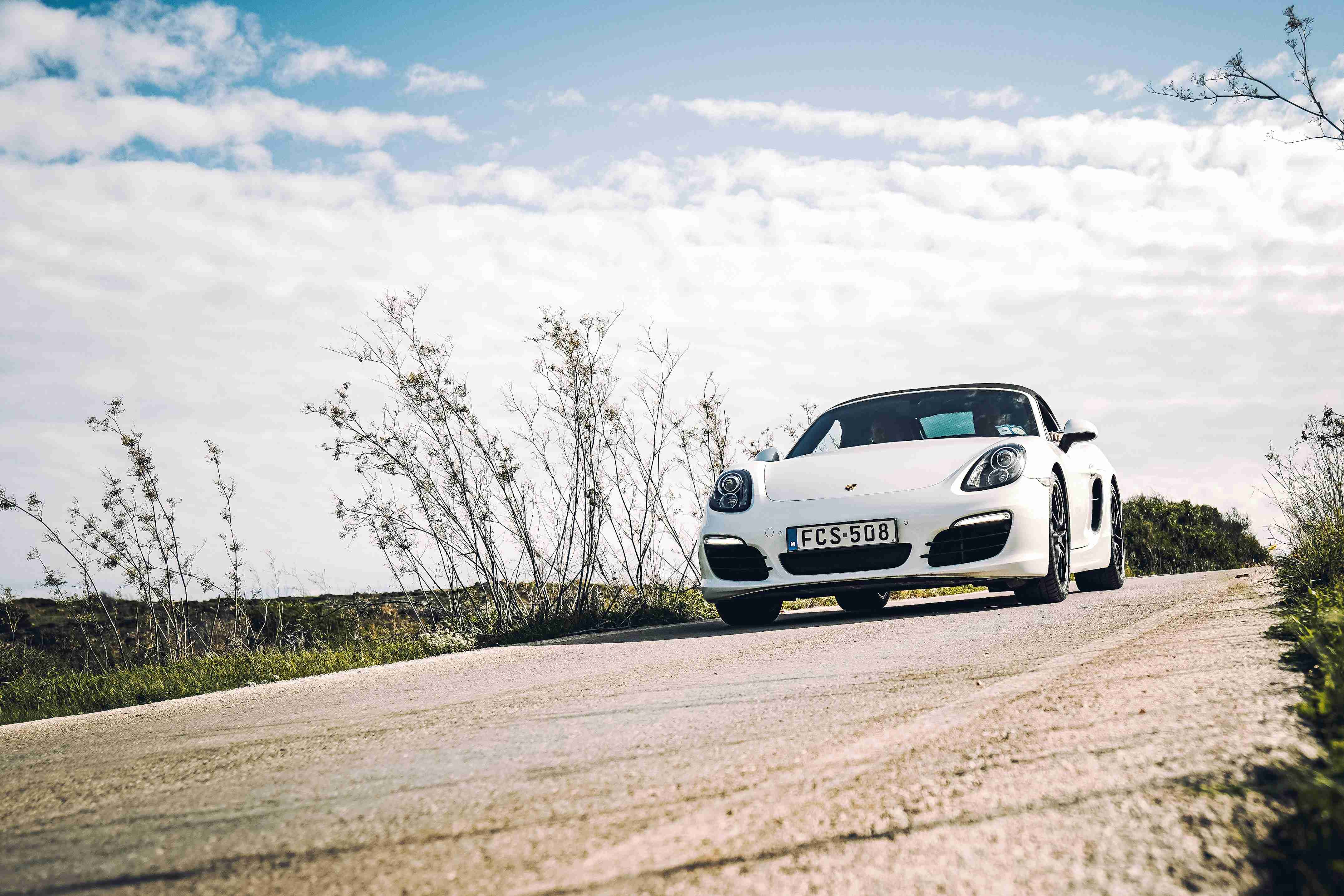
Some of the most popular options for car rentals in Malta include:
- Economy Cars: Small and compact, perfect for city driving and short journeys.
- Sedans: A comfortable option for longer distances with a bit more space.
- SUVs: Great for off-road adventures but not necessary for most trips within Malta.
Renting a car in Malta can cost €4-30 per day, depending on the type of vehicle and rental period. To get a good start, opt for trusted car rental companies in Malta like Hertz, Avis, and Europcar.
The right car insurance
Car rental companies usually provide the minimum required car insurance coverage, typically including third-party liability. However, purchasing additional insurance for comprehensive coverage and peace of mind is highly recommended.
Here are some insurance options to consider:
- Collision Damage Waiver (CDW): This covers any damage to the rental vehicle in case of an accident.
- Theft Protection: Protects you against theft or attempted theft of the rental vehicle.
- Personal Accident Insurance: Provides medical coverage for injuries sustained while driving the rental car.
Legal requirements for driving in Malta
- International Driving Permit: All non-EU citizens must have an international driving permit for Malta. Most, if not all, car rental companies will ask for it.
🏎️💨 Ready to Drive in Malta? Secure Your International Driving Permit Online!
- Age requirement: While 18 is the legal driving age in Malta, most car rental companies require drivers to be at least 21 and hold a driver's license for at least one year.
- Documentation: In addition to your International Driving Permit, make sure to have your driver's license, proof of insurance and registration documents, and a valid passport on hand while driving. Failure to present these documents when asked by authorities can result in fines.
Must-Visit Destinations Accessible by Car
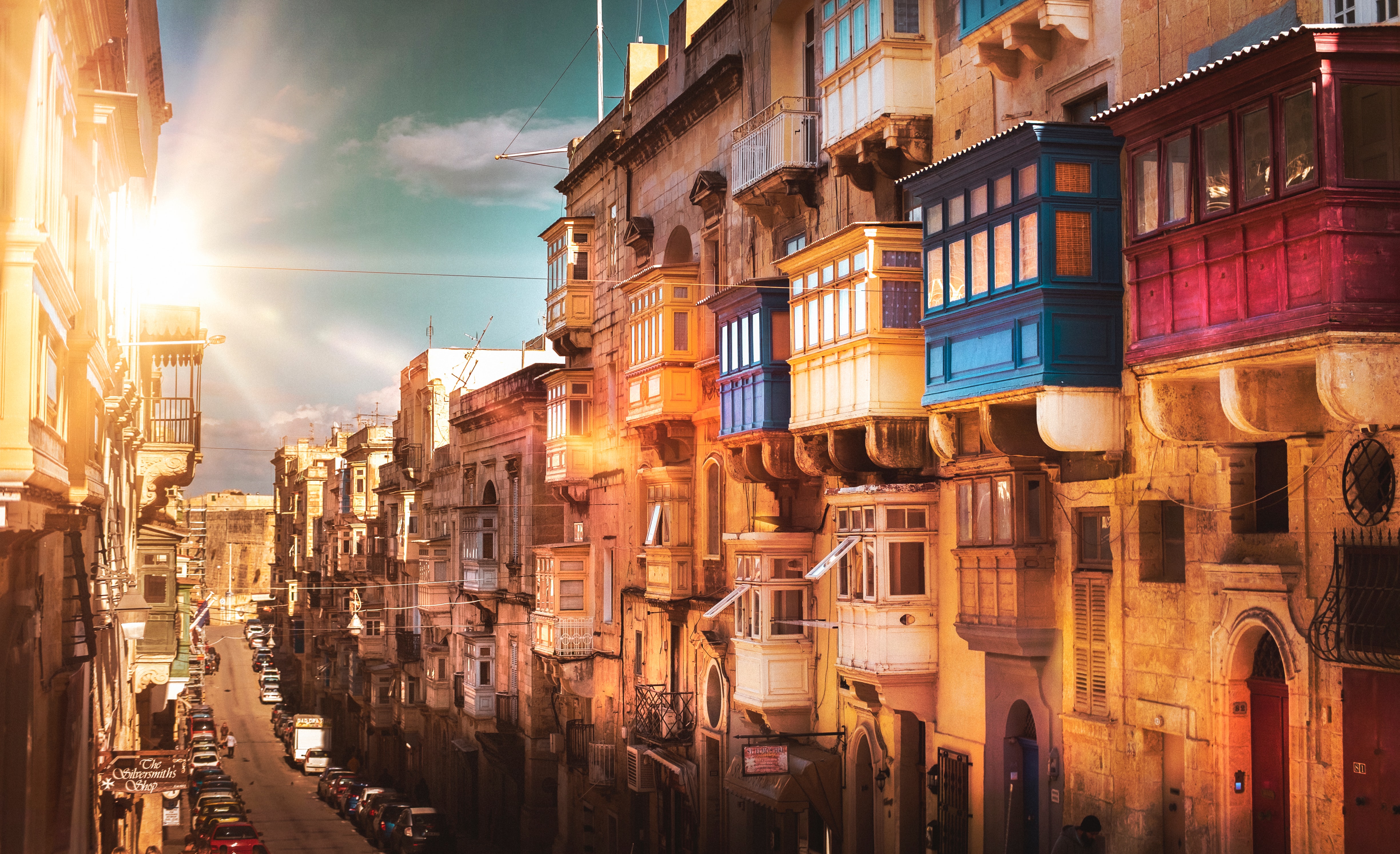
Do you have a list of places to visit while in Malta? If you don't, you might as well get your pen and paper ready. Here are some must-visit destinations that you can easily access by car:
Scenic routes for memorable drives
- Marsaxlokk: A charming fishing village known for its colorful luzzus (traditional fishing boats) and vibrant Sunday market offering fresh seafood and local crafts.
- Gozo: Offers stunning landscapes, from a rugged coastline dotted with historic watchtowers to the tranquil countryside. It's an ideal route for those who love scenic drives and rich history.
- Mdina: Drive through the ancient walled city known as the "Silent City," where narrow streets and medieval architecture transport you back in time.
- Żurrieq: This route offers views of the picturesque Blue Grotto and nearby cliffs, perfect for a scenic drive and a boat tour of the sea caves.
- Dingli Cliffs: Experience breathtaking views of the Mediterranean from Malta's highest point. Ideal for sunset drives, with panoramic vistas and peaceful surroundings.
- Għarghur: Navigate through one of Malta's highest points, offering picturesque island views mixed with quaint village charm.
- The Three Cities: Explore Cospicua, Vittoriosa, and Senglea, three fortified cities with deep maritime histories that offer a genuine slice of Maltese life.
- Żebbuġ: Known for its olive groves and quiet streets, it's a great drive to experience the traditional Maltese countryside.
Hidden gems only locals know about
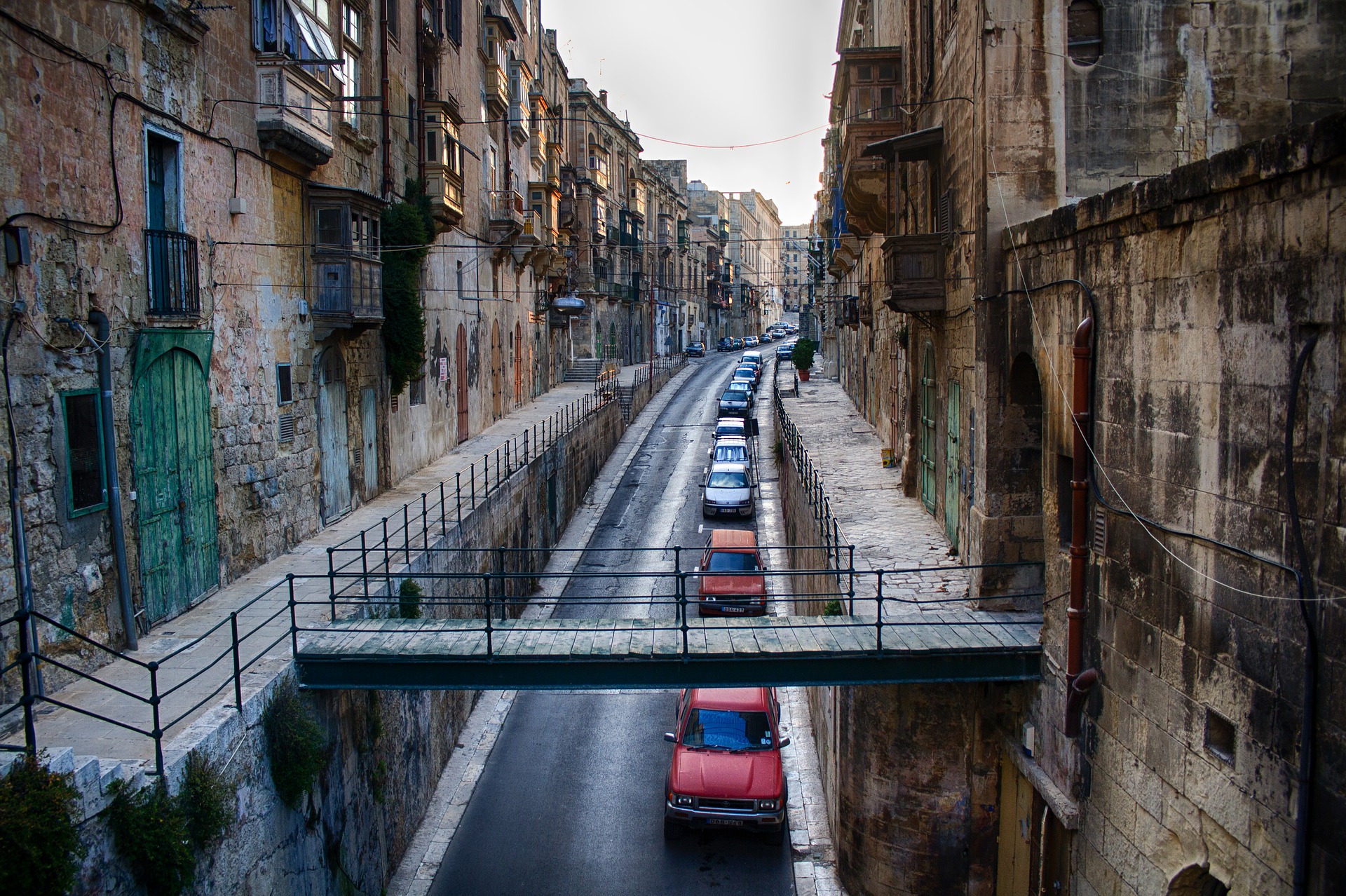
Some of the best places and things to do in Malta can't be found in tourist guides. Here are some off-the-beaten-path suggestions that locals love:
1. Valletta: Beyond the well-trodden tourist paths lie hidden alleys and renovated Baroque mansions that showcase the quieter side of Malta's capital.
2. Ghasri Valley: Drive through this serene valley on Gozo island to discover small farms and the charming Ghasri church amidst stunning rural landscapes.
3. The Secret Passage at St Gregory's Church: Explore this little-known passage for a glimpse into the historical intricacies of Maltese religious architecture.
4. Fontanella Tea Garden: Located in Mdina, this garden offers spectacular views of the island while you enjoy homemade cakes and a selection of teas.
5. Il-Hofra L-Kbira: A secluded bay on Malta's southern coast, perfect for escaping the crowds. Its rugged beauty makes it ideal for snorkeling and picnics.
If you wish to visit one or two of these places, we recommend planning your accommodation in advance. Malta has many hotels to choose from, but to avoid scams, book with trusted websites or directly with the hotel.
And while on the road, make sure to stop and try some of the best restaurants in Malta, known for their fresh seafood and traditional Maltese dishes.
Driving Safely in Malta
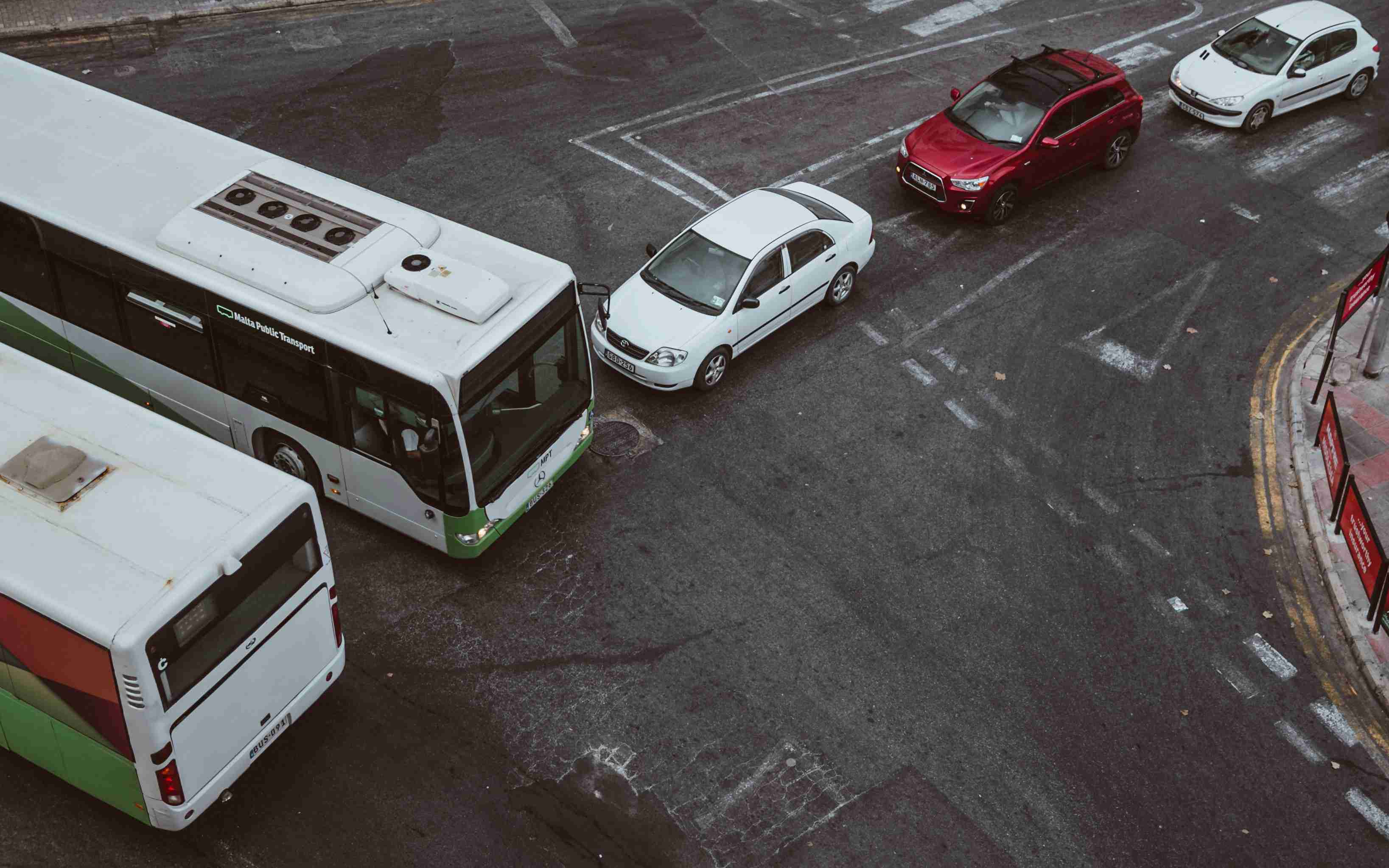
Driving in Malta can present various challenges, from congested roads to ongoing construction. Understanding these issues and considering seasonal variations is essential for a safe and pleasant driving experience.
Dealing with traffic and Road Conditions
Traffic can be pretty heavy in Malta, especially during peak season and rush hours. Why? Each family typically owns multiple cars, and public transport can be unreliable. If you get stuck in traffic, take a deep breath; honking is considered rude on this small island.
While public transport, such as the Tallinja bus service, can be useful for locals and tourists alike, driving a car offers more flexibility in terms of destinations and travel times.
With road conditions, it really depends. You will find smooth, wide roads in major cities and towns. However, you may also encounter narrow roads with tight corners and blind spots, particularly in rural areas. But in general, roads in Malta are well-maintained and easy to navigate.
Seasonal Considerations for Driving
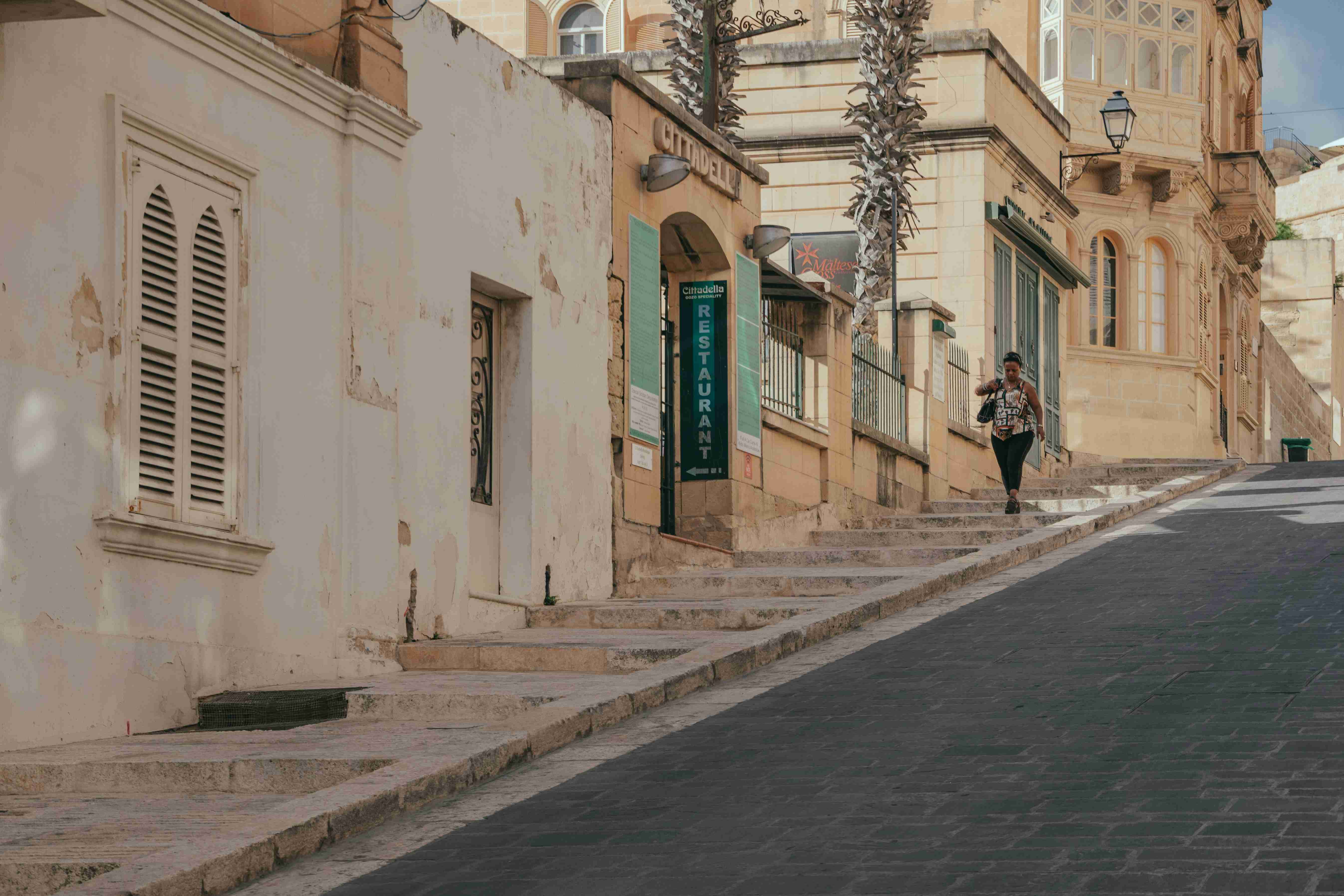
The best times to visit Malta are during the shoulder seasons when the weather remains pleasant, and the roads are less crowded than the peak summer tourist seasons. Of course, like in any other country, driving during winter can be challenging due to increased rainfall and occasional storms.
Thankfully, snowfall is rare in Malta, so you don't have to worry about driving in adverse winter conditions. In fact, many visitors prefer to explore the island during the cooler months to avoid the intense summer heat and crowds.
Driving in Malta presents a unique opportunity to explore the island's stunning landscapes and cultural heritage at your own pace. While challenges like traffic congestion and narrow roads require some patience and caution, the freedom and flexibility afforded by having your vehicle are unparalleled.
Let IDA help you with your international driving permit
Remember, an International Driving Permit (International Driving Permit) is essential for non-EU drivers, ensuring compliance with local laws.
Ensure a smooth road trip in Malta by securing an International Driving Permit (International Driving Permit) in advance. Apply now to get a digital copy in just 8 minutes, giving you the freedom to explore without any delays or complications.
Frequently Asked Questions
Do I need an International Driving Permit to drive in Malta?
Having an International Driving Permit during your visit to Malta is not mandatory, but it's highly recommended. While you can rent a car and drive around with just your valid home country driver's license, having an International Driving Permit offers additional peace of mind and legal compliance.
How do I get an International Driving Permit?
To obtain an International Driving Permit, find an organization that provides it, read reviews to ensure reliability, and provide all requirements such as a completed application form, passport-sized photos, a copy of your valid driver’s license, and the required fee.
If you need one ASAP, IDA can process your application in 8 minutes. Learn more here.
Can I use my International Driving Permit in other countries besides Malta?
Yes! The International Driving Permit is accepted in over 150 countries worldwide, including all EU countries and popular travel destinations like Canada, Australia, and Japan. Check the specific driving requirements for each country before your trip. Remember, it's always better to be prepared and have an International Driving Permit in hand, even if it's not required by law.

Get your International Driving Permit in 8 minutes

